





Social reality does not unfold in a neutral public space, but in a field of constant confrontation and negotiation according to Oliver Marchart. The public space functions as a form of intervention, attempting to highlight the tensions, conflicts, and contradictions that are inscribed in the social body. Photographs and videos, as visual representations of social reality, are not neutral, but are themselves a form of intervention, attempting to highlight the tensions, conflicts, and contradictions that are inscribed in the social body. Intervention, attempting to highlight the tensions, conflicts, and contradictions that are inscribed in the social body.
Photographs and videos, as means of representation, are transformed into tools of visibility for the social dynamics of each whole. Photography is not merely evidence, but an act of appearance that establishes a political relationship between the subject of the image, the photographer, and the audience.
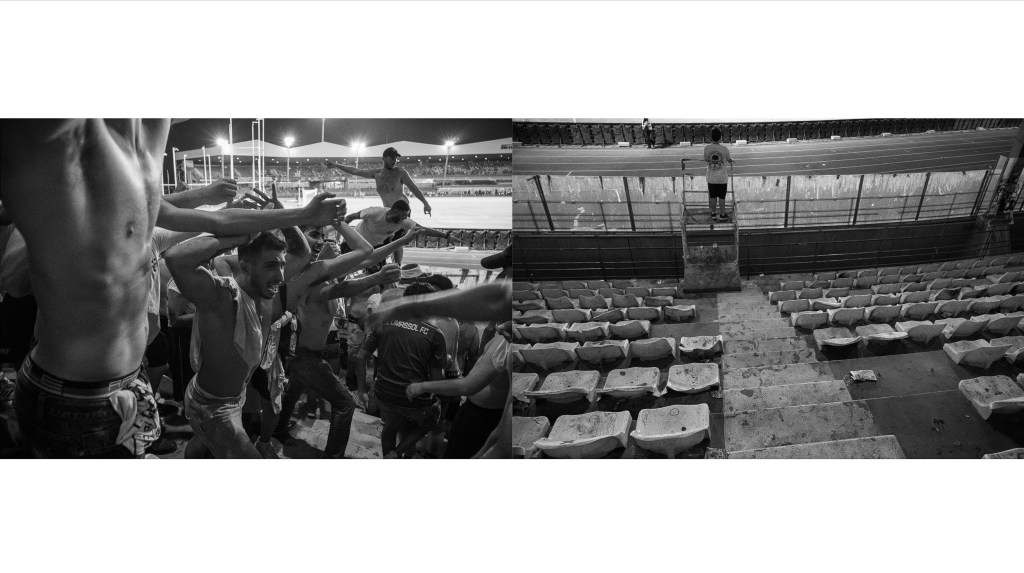
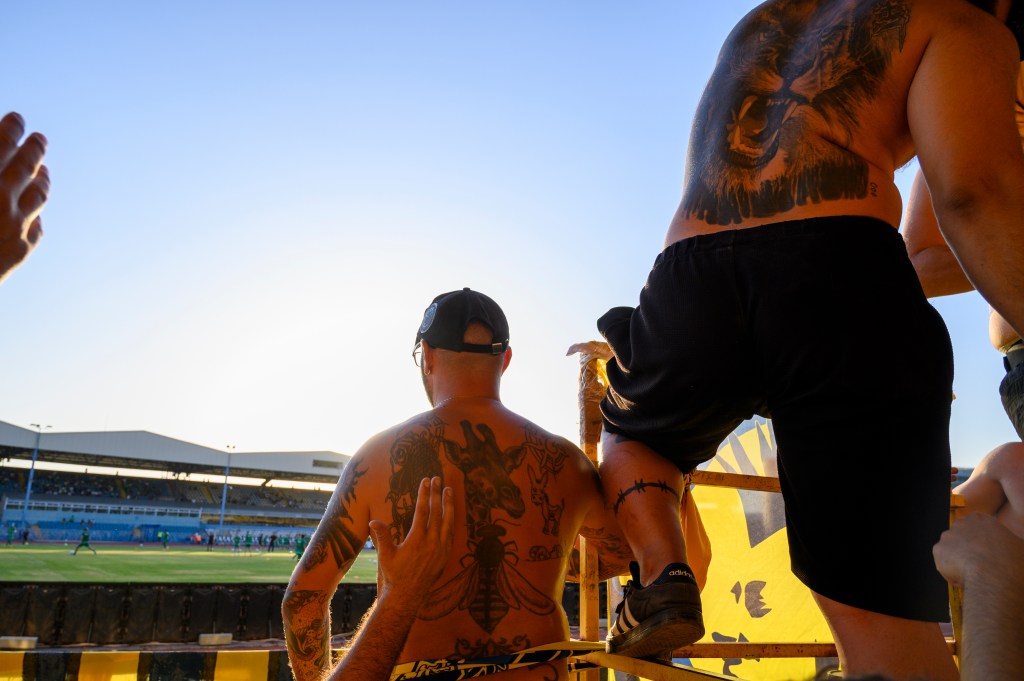
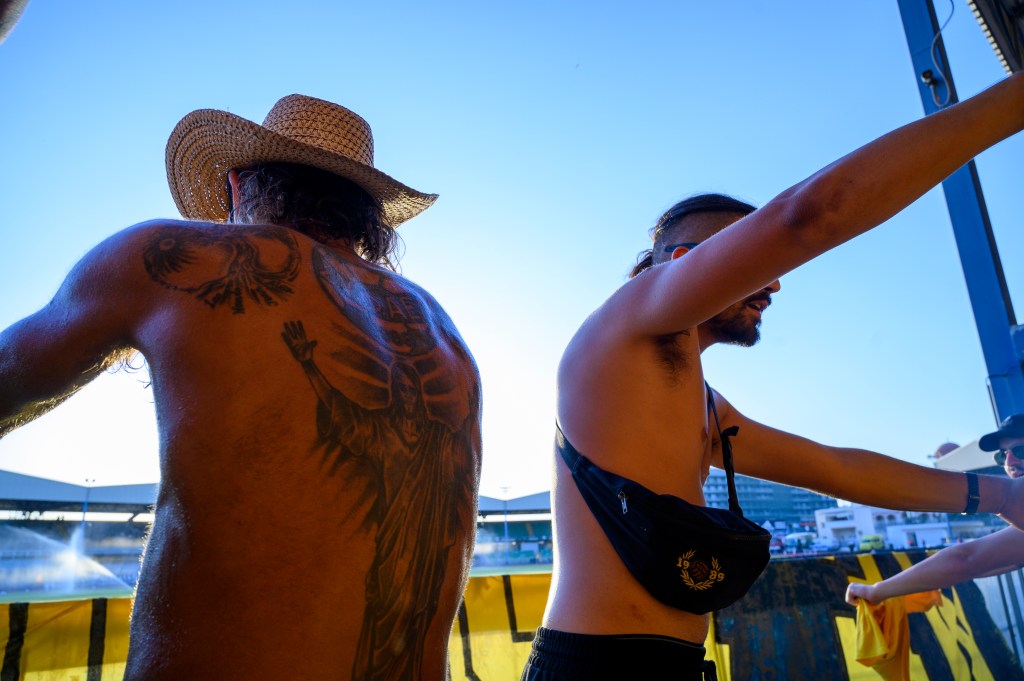
Images of stadiums, slogans, and fan clashes are not mere moments of violence or noise; they reveal deeper identity constructs, political tensions, and class conflicts, or ultimately typical records.
As Judith Butler points out, images acquire political meaning not only because of their content, but because they construct «frames of recognizability» that define who is worthy of appearing in public and who is not. Through the use of documentary, the work seeks to highlight the experiences of these subjects, focusing not only on the tragedy of their circumstances but also on their resilience and dynamism.

Social reality suggests that the public sphere is not a neutral space but rather a site of constant confrontation and negotiation, functioning as a form of intervention that seeks to highlight tensions, conflicts, and contradictions.
— Oliver Marchart
 OTTO
OTTO 